What is kitesurfing?
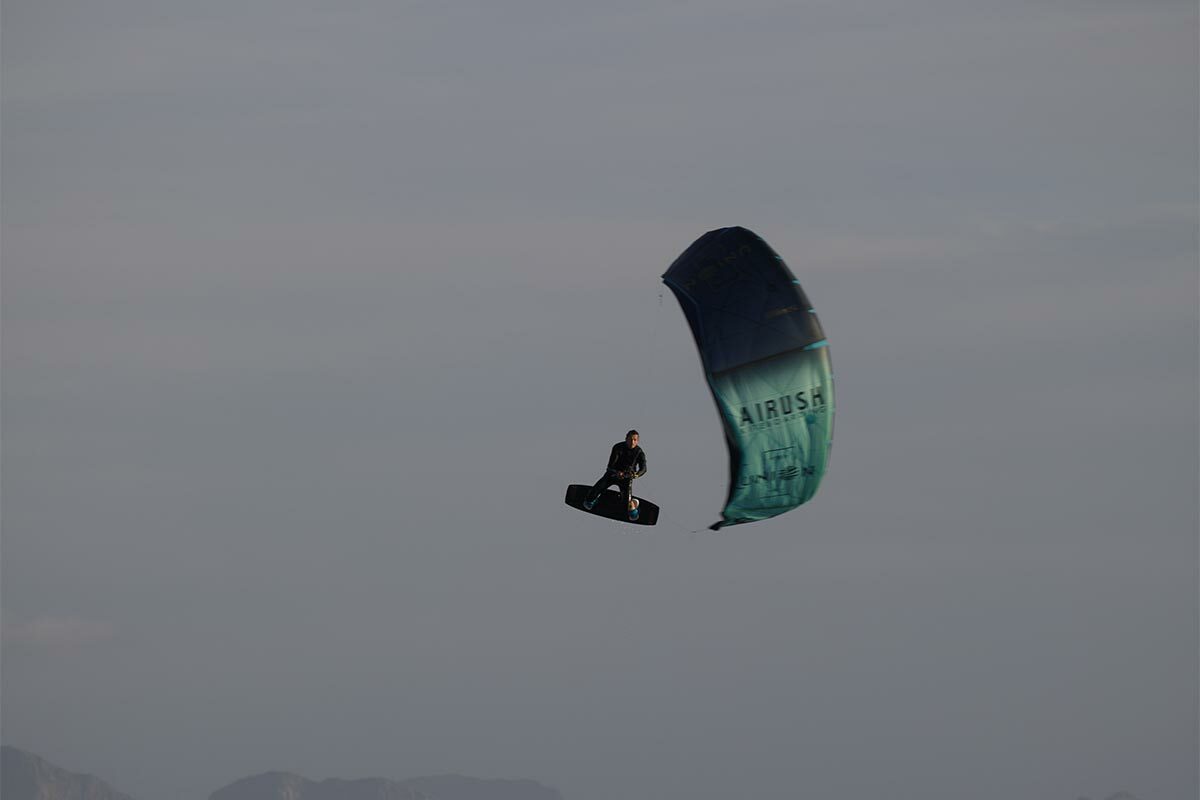
Kitesurfing, also known as kiteboarding, is a water sport that involves riding a board propelled by a kite. The kite is controlled by a bar connected to the rider’s harness, and the rider uses the wind to maneuver and perform various tricks. Kitesurfing combines elements of windsurfing, surfing, and paragliding, and is performed on both the open ocean and on lakes and rivers.
The history
The history of kitesurfing can be traced back to the late 1970s and early 1980s, when surfers in Hawaii began experimenting with large inflatable kites to help them catch waves. In the late 1980s, French kitemaker Gérard Bosson developed the first true kiteboarding kite and introduced the sport to the French public. From there, kitesurfing spread rapidly around the world, attracting both surfers and windsurfers who were looking for a new and exciting challenge.
In the 1990s and early 2000s, kitesurfing experienced tremendous growth as new and improved kite designs were developed and the sport became more accessible to a wider range of participants. The first kitesurfing competitions were held in the late 1990s, and by the early 2000s, kitesurfing had become a recognized discipline in its own right.
Today, kitesurfing is a thriving and rapidly growing sport, with thousands of participants around the world and a thriving industry that produces a wide range of kites, boards, and other equipment. Kitesurfing continues to evolve and attract new participants, and its popularity shows no signs of slowing down.
The Community
Kitesurfing is a sport that has developed a vibrant and passionate community of participants around the world. This community is defined by a love of the sport and a commitment to sharing the experience with others. Whether participating in local events, joining in online forums and social media groups, or traveling to kitesurfing destinations around the world, kitesurfers have created a tight-knit and supportive community that celebrates the joys of this exciting sport.
One of the key aspects of kitesurfing culture is the focus on fun, camaraderie, and inclusiveness. Kitesurfers are a friendly and welcoming group, and they are always eager to share their passion for the sport with others. This spirit of community and inclusiveness is reflected in the many events and gatherings that are held throughout the year, including local kitesurfing competitions, festivals, and demonstrations.
Another important aspect of kitesurfing culture is the emphasis on learning and improvement. Whether you are a beginner or an experienced kitesurfer, there is always something new to learn and new skills to master. Kitesurfers are a determined and dedicated group, always pushing their limits and seeking out new challenges.
Kitesurfing culture is defined by a respect for the natural environment. Kitesurfers understand the importance of preserving and protecting the oceans, lakes, and rivers where they practice their sport, and they are committed to using environmentally friendly equipment and practices.
Gear and Safety
Over the years, the kitesurfing industry has made significant improvements in the safety of kitesurfing gear. These improvements have been driven by a commitment to reducing the risks associated with this sport, and by the desire of manufacturers and riders to create a safer and more enjoyable experience for everyone involved.
One of the key improvements in kitesurfing safety has been the development of quick-release systems that allow riders to disconnect from their kite in an emergency. These systems are now standard on most kitesurfing kites, and they have been instrumental in reducing the number of serious injuries and accidents associated with kitesurfing.
Another area of improvement has been the development of new kite designs that are more stable and predictable in the air. These kites are easier to control, and they are less likely to cause accidents and injuries. In addition, advances in materials and construction techniques have led to kites that are stronger and more durable, making them less likely to fail or break during use.
Finally, the kitesurfing industry has made significant investments in safety research and education. This has led to the development of new training programs and safety guidelines that help riders of all levels to stay safe and avoid accidents while on the water. These programs include information on proper kite setup, wind and weather conditions, and techniques for avoiding hazards and staying safe in an emergency.
Learning how to kitesurf
Learning how to kitesurf is a challenging but rewarding experience, and the key to success is proper instruction and training. Using a kite school is one of the best ways to ensure that you are learning the correct techniques and safety measures from experienced and qualified instructors.
Kite schools offer a range of instructional programs, from beginner courses to advanced training sessions, and they are staffed by experienced and knowledgeable instructors who are committed to helping you succeed. These instructors use a combination of hands-on training, theoretical instruction, and practical exercises to ensure that you are getting the most out of your kitesurfing lessons.
One of the biggest benefits of using a kite school is the opportunity to practice your skills in a controlled and safe environment. Kite schools are equipped with all of the necessary gear and equipment, and they are located in areas that offer ideal wind and weather conditions for kitesurfing. This allows you to focus on your training and to make the most of your time on the water.
Another important benefit of using a kite school is the opportunity to learn from experienced and knowledgeable instructors. These instructors have years of experience riding and teaching kitesurfing, and they are equipped with the latest information on safety, technique, and gear. They can help you to avoid common mistakes, to improve your skills, and to achieve your goals in kitesurfing.