Kitesurfing vs Kiteboarding
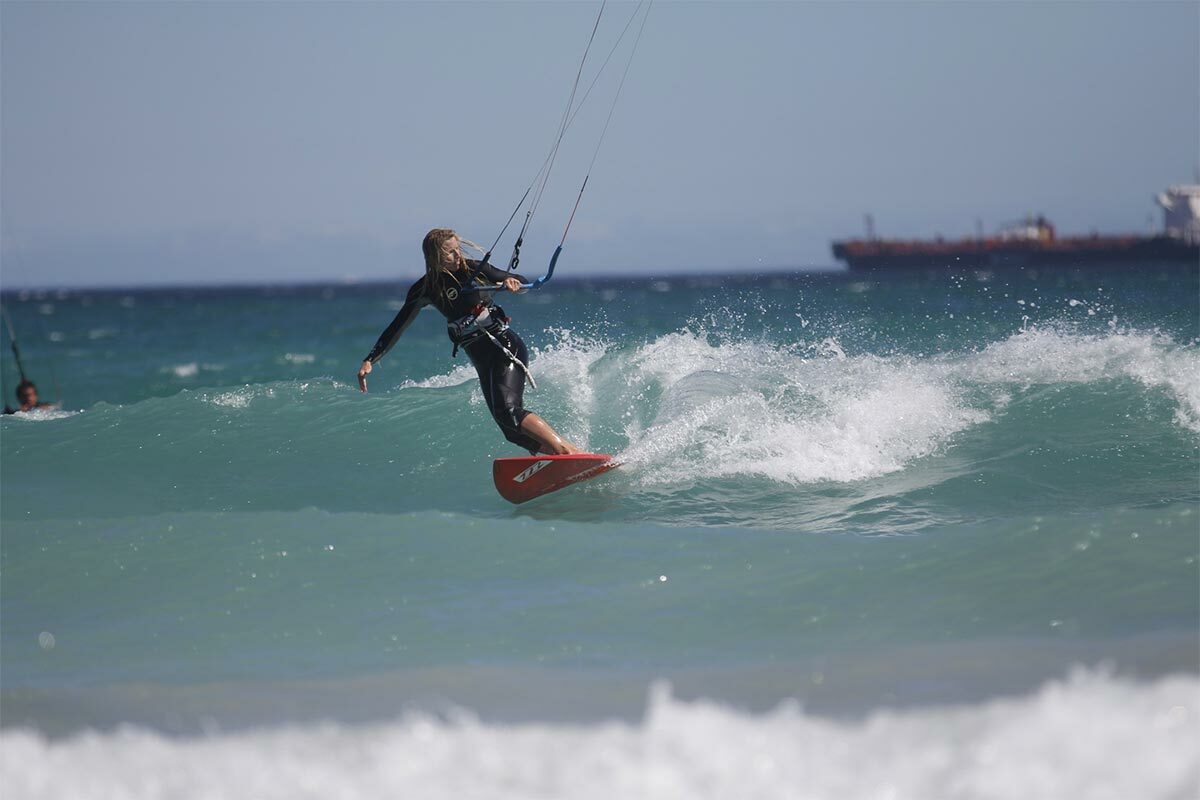
Kitesurfing and kiteboarding are two popular water sports that involve using a kite to propel a rider across the water. Although they are often used interchangeably, there are some differences between the two sports:
Kitesurfing
Kitesurfing involves riding a directional board while being pulled by a kite. Some boards have straps and and some don’t. Kitesurfing mostly focuses on riding waves and performing surf related tricks.
Kiteboarding
Kiteboarding, on the other hand is typically performed on a multi directional wake style board that is specifically designed for this sport. Kiteboarding boards are smaller than directional surfboards and they are often equipped with footstraps or boots, which allow the rider to maintain better control while being pulled by the kite. This also enables the kiter to jump over waves easier. Kiteboarding has two different styles called freestyle and big air.
Freestyle
Freestyle is a popular and dynamic discipline within the sport of kiteboarding. It involves performing acrobatic tricks and stunts while being propelled across the water by a kite. Freestyle kiteboarding is characterized by its high-flying action and impressive displays of athleticism, making it a popular and exciting spectator sport.
Kiteboarding freestyle is performed on a twin-tip board, which allows the rider to move in both directions, giving them the freedom to perform a variety of tricks and stunts. The rider uses the power of the kite to generate lift and propel themselves into the air, where they perform a series of acrobatic maneuvers.
Some of the most popular tricks in kiteboarding freestyle include grabs, rotations, and flips. Grab tricks involve grabbing the board while in the air, while rotation tricks involve spinning the board and the rider around a central axis. Flip tricks involve flipping the board and the rider in a variety of directions, adding an extra layer of difficulty and excitement to the performance.
Kiteboarding freestyle is a highly competitive discipline, with riders competing against each other in heats and freestyle events. Riders are judged on their ability to perform a variety of tricks, their style and technique, and their overall performance. The riders who consistently perform the most impressive and technical tricks are typically the ones who win.
One of the biggest draws of kiteboarding freestyle is the opportunity to witness the incredible talent and skill of the world’s best freestyle kiteboarders. These riders push the limits of what is possible in the air, performing incredible tricks and stunts that are sure to leave the crowd in awe.
Big Air Kite Boarding
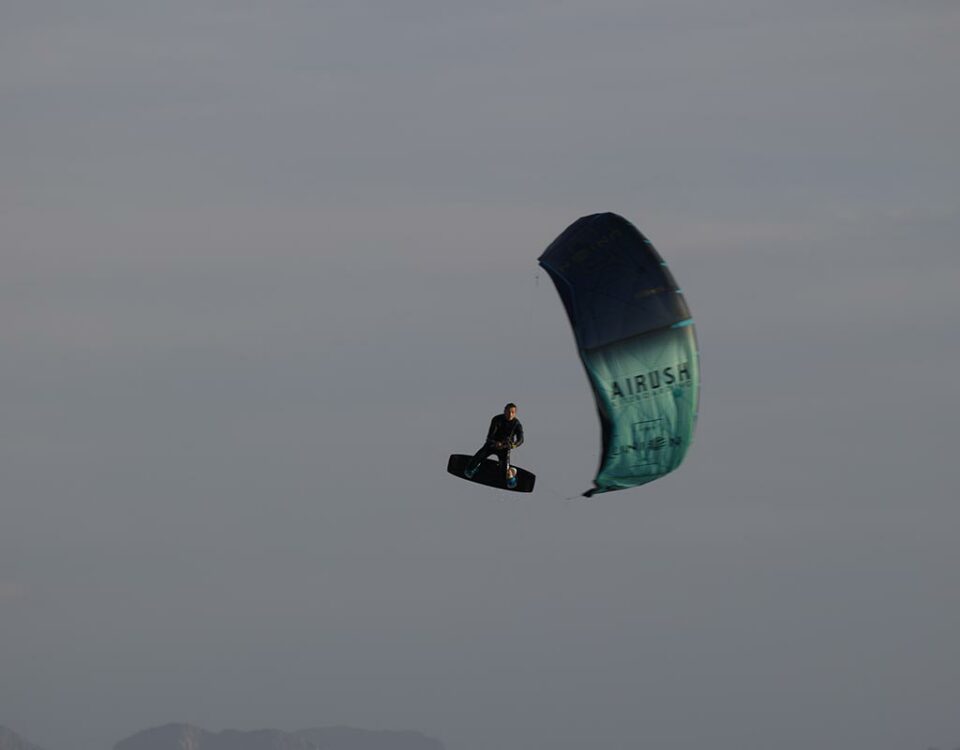
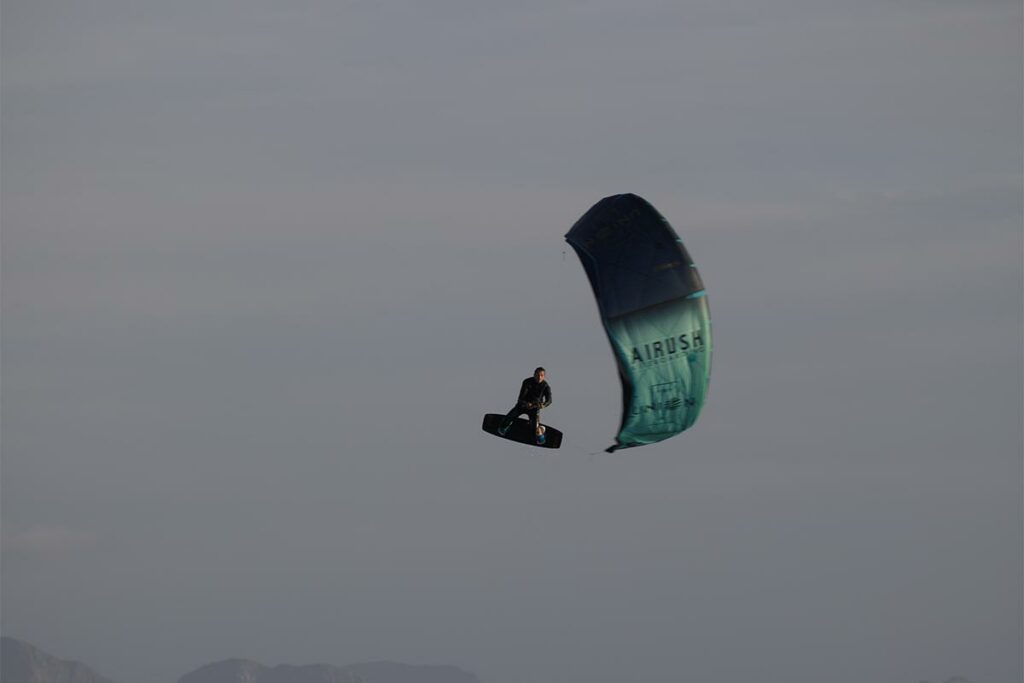
Big air is a discipline within the sport of kiteboarding that involves launching into the air and performing aerial tricks and stunts. It is one of the most spectacular and visually impressive aspects of the sport.
In a big air competition, riders are judged on their ability to generate height and amplitude, as well as difficulty of the trick.
To perform big air tricks, kiteboarders use the power generated by the kite to launch themselves into the air. The rider then performs a series of acrobatic tricks and stunts while in the air, using the kite to maintain control and balance. Some of the most popular tricks in kiteboarding big air include megaloops, board offs and handle passes.
Kiteboarding big air requires a high level of skill and athleticism, as well as a deep understanding of the wind and kite control. Riders must be able to accurately judge the wind conditions and adjust their kite accordingly to achieve maximum height and amplitude.
Kiteboarding big air competitions are held around the world and are a popular spectacle for spectators and fans of the sport. These events showcase the incredible talent and skill of the world’s best big air riders, and offer an adrenaline-fueled experience for all those involved.